
Updated Nov 3, 2026. Compiled from American Academy of Ophthalmology, National Eye Institute and EPA guidance plus maker pages and Amazon listings checked on Nov 3, 2026; we have not used or tested these products ourselves. Not medical advice. Author: The EyeComfy team.
Affiliate disclosure: As an Amazon Associate we earn from qualifying purchases. Some links below are affiliate links. EyeComfy is independent and is not affiliated with, sponsored by or endorsed by Pure Enrichment, Levoit, TempPro, DR.PREPARE, Amazon or any brand mentioned here.
Quick answer
- What the AAO and NEI say: both list a humidifier among tips for people dealing with dry eye. The AAO also lists one for dry, warm rooms in its screen-use tips. Neither page promises a result.
- Screens matter too: the AAO says people blink about 5 to 7 times a minute at screens versus about 15 normally, and suggests blinking on purpose.
- Humidity target: the EPA says keep indoor humidity below 60 percent, ideally 30 to 50 percent, and not to humidify above 50 percent. Other sources may differ.
- Water and cleaning: the EPA says to use distilled water, and to empty, dry and refill portable units daily and clean them every third day.
- Measure, do not guess: a small hygrometer shows your real room reading.
- Persistent symptoms: dry, gritty, red or painful eyes, or vision changes, belong with an eye care professional, not a gadget.
Heating season has started, and many of us now spend long days in warm, closed rooms looking at a screen. Our Google Trends check on Nov 3, 2026 (US) showed “humidifier” interest up 18 percent over the last 7 days versus the prior 28 days, and still climbing. A related query about heated eye masks was also rising, from a low base.
So the question of the week is whether a humidifier for dry eyes is worth a look. We cannot say a humidifier will help your eyes, and nobody should promise it. What we can do is lay out what eye-health groups and the EPA actually say, where sources disagree, and what to check before you buy.
How we research
We read the pages of the AAO, NEI and EPA, plus maker pages and Amazon listings, on Nov 3, 2026. We have not used any product. Where a page did not load or did not say something, we say so. Read more on our how we research page.

Why winter rooms feel dry at your desk
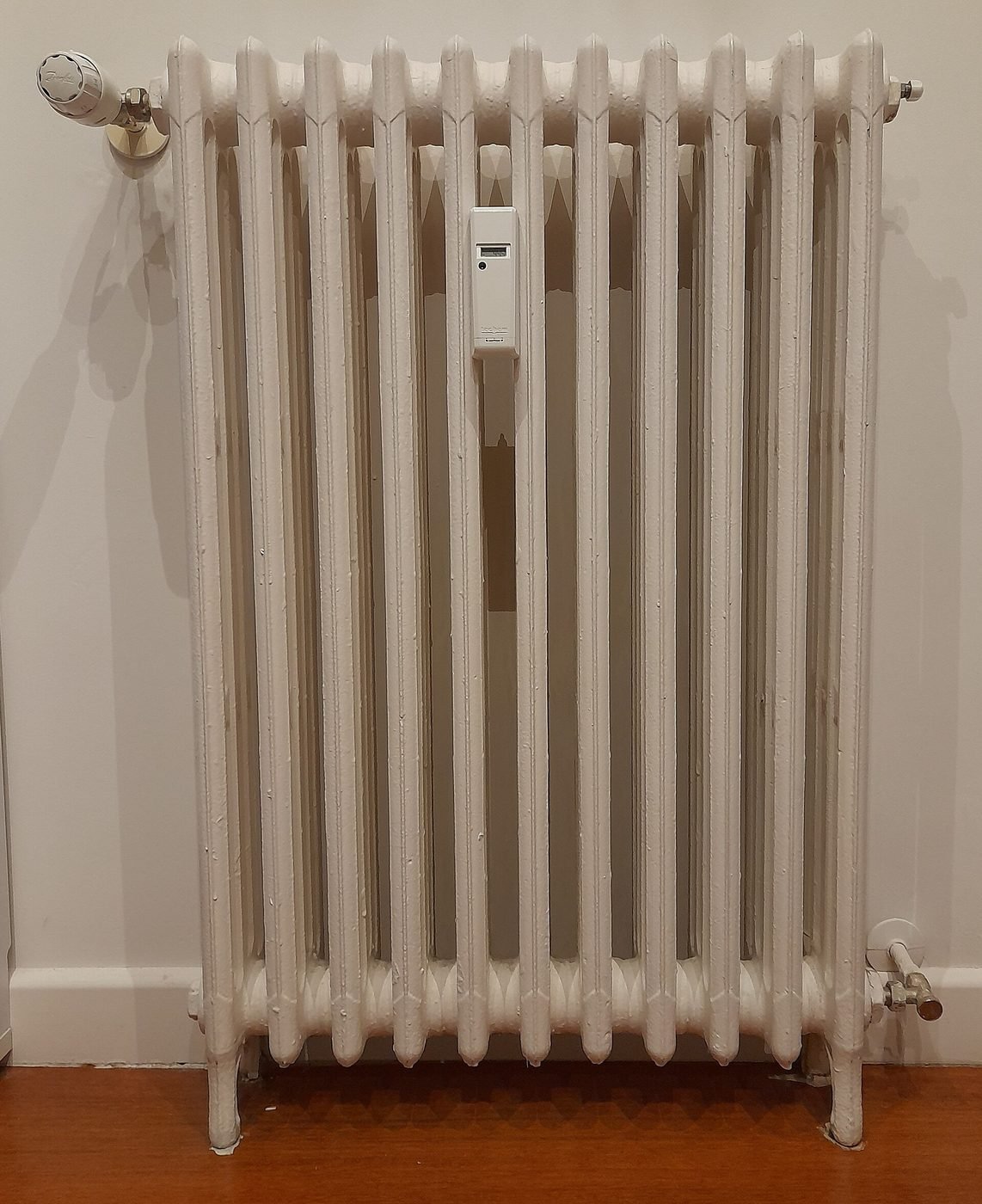
Cold outdoor air holds little moisture. When it is heated indoors, the relative humidity falls. That is general physics rather than a claim from the pages above, and your own home may differ. The AAO’s dry eye page says to “stay away from very warm rooms.”
Screens add a second factor. The AAO lists “looking at a computer screen for a long time, reading and other activities that reduce blinking” among causes of dry eye. A dry room plus fewer blinks is the combination many desk workers describe in winter.
What eye-health groups say – attributed
- AAO, dry eye page (published Nov 2, 2026): “In the winter, add moisture to the air with a humidifier. Or put a pan of water near your heater or radiator.” It also suggests wrap-around glasses outdoors against drying wind.
- AAO, screen-use page: “If you are often in a dry, warm room, consider using a humidifier to add moisture to the air.” It also says “Make a conscious effort to blink as often as possible” and suggests looking up from the screen at something in the distance. That page gives no timing, so we do not attribute the 20-20-20 rule to it.
- NEI, dry eye page (updated Aug 6, 2025): lists “Use a humidifier to keep the air in your home from getting too dry,” “Try to avoid smoke, wind, and air conditioning,” and “Limit screen time and take breaks from staring at screens.”
How humid is right?
There is no single number all sources agree on. Here is what we could read:
| Source | What it says | Note |
|---|---|---|
| EPA, mold and moisture guide | Keep indoor humidity below 60 percent, ideally 30 to 50 percent | Aimed at mold control |
| EPA, home humidifier page | “Do not humidify to indoor relative humidity levels exceeding 50 percent” | Condensation on windows means relocate, turn down or use less |
| AAO and NEI | Recommend adding moisture; the pages we read give no target number | Do not assume a figure for eyes |
The upside of staying in range is practical: too much moisture can encourage mold, and the EPA treats condensation as a warning sign.
Choosing a humidifier: cool vs warm mist, ultrasonic, size, humidistat, cleaning
- Warm mist: the EPA says steam vaporizers can cause burns with steam and boiling water, and to keep them out of children’s reach. If kids or pets share the room, many people lean cool mist.
- Ultrasonic and impeller (cool mist): the EPA says these can disperse minerals and microorganisms from the water. It suggests low-mineral water such as bottled water labeled “distilled”, and notes some people are bothered by a “white dust” on surfaces when these units run on tap water.
- Size: match tank and coverage to your room, using the maker’s stated figures. Listings vary, so read the spec table.
- Humidistat or auto mode: helps hold a set level, but how it works differs by model. Check the manual.
- Cleaning: follow the maker. The EPA says to empty, wipe dry and refill portable units daily, and clean them every third day. It also says to stop using a humidifier and contact a doctor if you have respiratory symptoms.
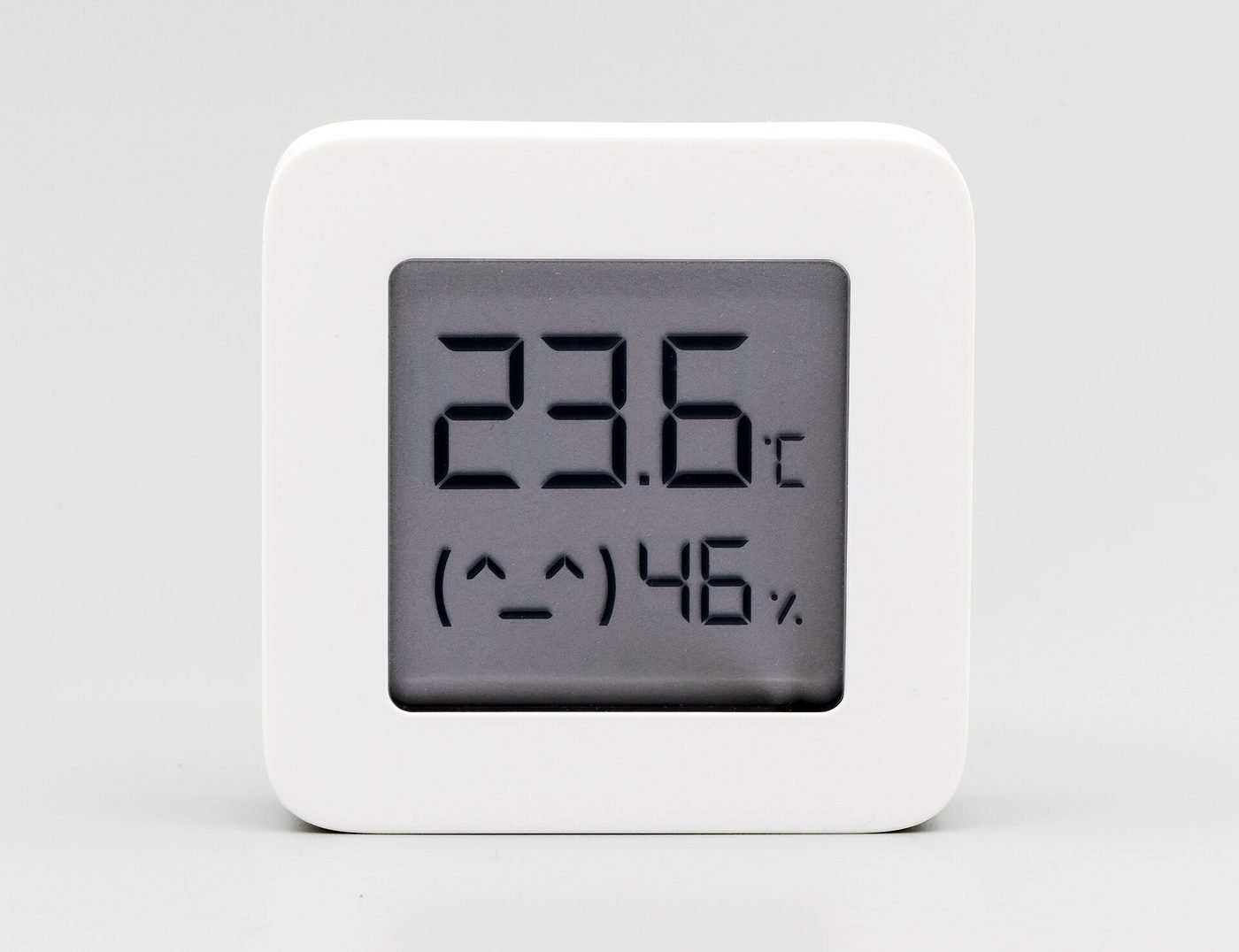
- Hygrometer: the EPA notes these measure humidity levels. It is the only way to know if you are near 30 to 50 percent.
Placement and desk tips for glasses wearers
These are common-sense tips, not authority claims. Check each maker’s manual for placement rules.

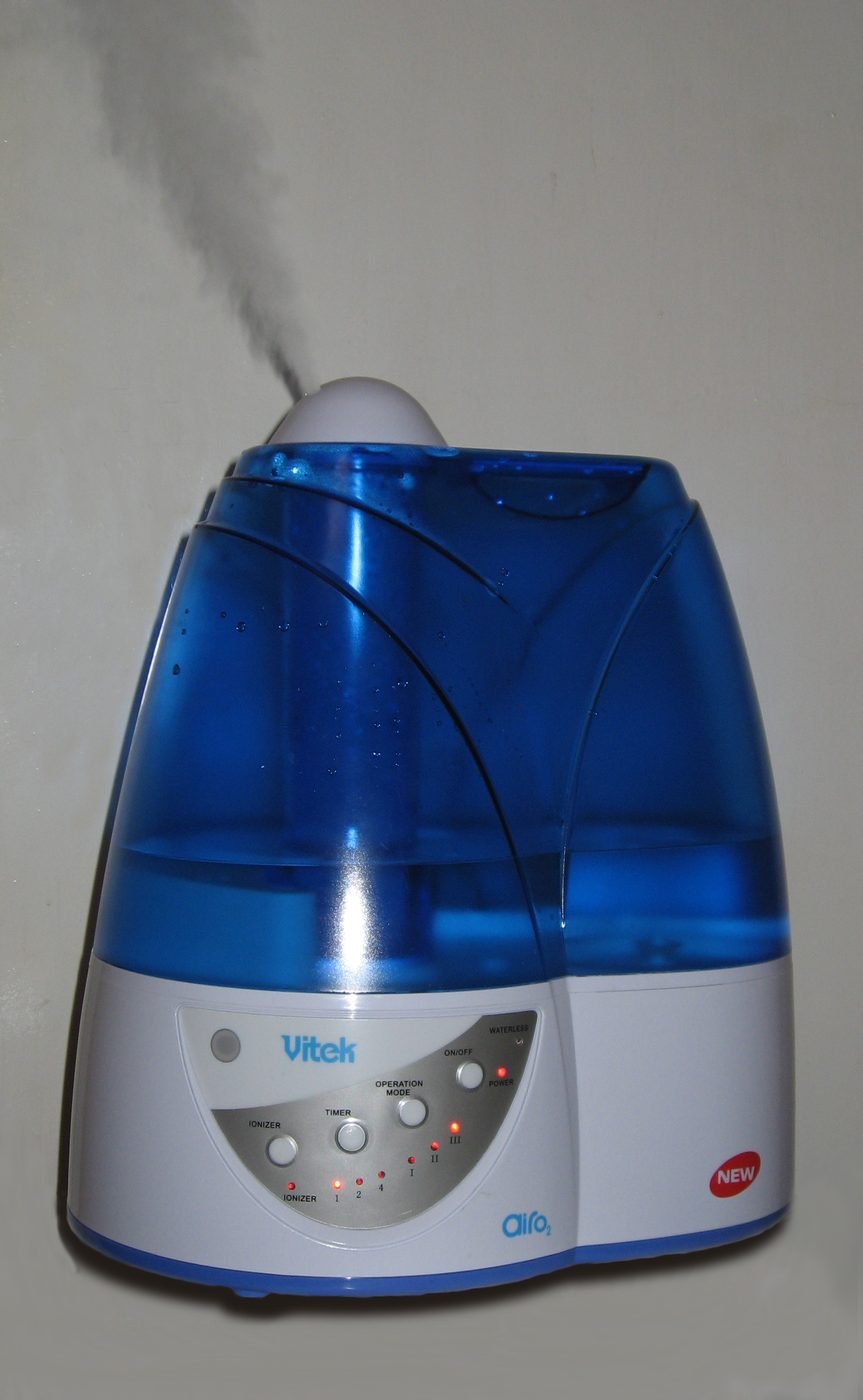
- Point the mist away from your face, laptop and keyboard. Electronics and wood surfaces do not like damp.
- Keep it a short distance away. Mist near your glasses may leave spots or fog the lenses; our smart glasses cleaning guide covers safe wiping.
- Avoid vents or fans blowing straight at your face. The NEI lists wind and air conditioning among things to avoid.
- Put the hygrometer at desk height, not on a windowsill.
- Pair it with the habits in our glasses-wearer desk setup guide.
Warm eye masks: what to know
Searches for heated eye masks are rising, though the volume is low. The AAO dry eye page says an ophthalmologist “may recommend” warm compresses, and that management of meibomian gland dysfunction “may include warm compresses, eyelid hygiene.” That is the context: certain causes, advised by a professional. We did not find warm compresses on the NEI page or the AAO screen-use page.

So whether a mask suits you is a question for an optometrist or ophthalmologist. Heat near the eyes needs care, so check the listing’s heat levels, timer and cover care, and follow the maker’s instructions.
Quick comparison
| Product type | What it does | What to check | Best for |
|---|---|---|---|
| Desk cool-mist humidifier | Adds water vapor to a small area | Tank size, room coverage, cleaning access, water type | Small offices and bedside tables |
| Room humidifier with auto mode | Adds moisture to a larger room | How auto mode works, noise, fill method | Bedrooms and home offices |
| Digital hygrometer | Shows humidity and temperature | Display, power, placement | Checking if a humidifier is needed at all |
| Heated eye mask | Warms the eye area | Heat levels, timer, washable cover, professional advice | People an eye care professional has advised about warm compresses |
Picks we researched
Listings checked Nov 3, 2026. We relied on what each listing and maker manual states, and listings change, so check the current page before you buy. We make no comfort claims.
Small desk cool-mist humidifier
The Pure Enrichment MistAire Studio is listed as ultrasonic cool mist, small and compact, with 2 mist settings, an optional night light and auto shut-off, for offices and small spaces. Check the listing for tank size and room coverage before you buy.
Pure Enrichment MistAire Studio (ultrasonic cool mist, 2 settings)
Listed as ultrasonic cool mist, compact, 2 mist settings, auto shut-off. Check tank and room size.
Room humidifier with an auto mode
The Levoit Classic 300S is listed as an ultrasonic top-fill humidifier with a 6L tank, up to 60 hours of runtime and a humidity sensor. Levoit’s manual says Auto Mode aims for 40 to 50 percent relative humidity by default, adjustable in its app. The sensor sits on the unit, so a separate hygrometer across the room is a useful cross-check.
Levoit Classic 300S (6L, Auto Mode with sensor)
Listed with a 6L top-fill tank, up to 60H runtime and a humidity sensor. Levoit’s manual: Auto Mode targets 40-50% RH by default, adjustable in the app.
A hygrometer to see your real reading
The TP49 digital hygrometer and indoor thermometer is listed as a 3 pack under the TempPro name, previously ThermoPro. Place one at your desk and one in the bedroom. We did not verify accuracy.
TempPro TP49 Digital Hygrometer (3 pack)
Listed as a TP49 digital hygrometer and thermometer, 3 pack. Shows a reading; accuracy not verified.
Heated eye mask (listing claims only)
The DR.PREPARE mask is listed as USB powered with temperature and timer control, earplugs included. The listing markets it for several uses; we make no claim about them. Ask your eye care professional first.
DR.PREPARE Heated Eye Mask (USB, temperature and timer control)
Listed as USB heated eye mask with temperature and timer control. Ask an eye care professional first.
When to see an eye care professional
The AAO says to see an eye doctor if dry eye symptoms are “persistent, worsening, affecting daily activities,” or come with “significant redness, pain, or vision changes.” The NEI says untreated severe dry eye can sometimes damage the cornea. If your eyes stay dry, gritty, red or painful, or your vision changes, book an optometrist or ophthalmologist rather than relying on a humidifier or mask. We cannot diagnose anything.
FAQ
Will a humidifier fix my dry eyes?
We cannot say it will. The AAO and NEI list humidifiers among tips, but effects vary by person and cause.
What humidity should I aim for?
The EPA says below 60 percent, ideally 30 to 50 percent, and not above 50 percent when humidifying. Other sources may differ.
Cool mist or warm mist?
The EPA says steam vaporizers can cause burns, so keep them away from children. Check the maker’s manual for either type.
Do I need distilled water?
The EPA advises low-mineral water such as distilled, especially for ultrasonic and impeller units, to limit minerals in the air.
Where should I put it near my laptop?
Aim mist away from your face, glasses and electronics, and follow the maker’s placement notes.
Should I use a heated eye mask?
The AAO mentions warm compresses in the context of certain causes. Ask an eye care professional whether one suits you.
The bottom line
Authorities list a humidifier among winter tips, but give no guarantees and no single ideal number. Measure first, stay under 50 percent, clean the unit as the maker says, and see a professional if symptoms persist.
Related on EyeComfy
- Glasses-wearer desk setup to reduce screen eye strain
- How to clean smart glasses
- Smart glasses for travel
- Best smart glasses for prescription wearers
- How we research