
Updated Nov 1, 2026. Visual guide to frame shapes; style advice, not a fitting. Compiled from maker spec pages and help centers checked on Nov 1, 2026; we have not worn or tested these pairs ourselves. Author: The EyeComfy team.
Affiliate disclosure: As an Amazon Associate we earn from qualifying purchases. Some links below are affiliate links. EyeComfy is independent and is not affiliated with, sponsored by or endorsed by Meta, Ray-Ban, Oakley, Amazon or any brand mentioned here.
Quick answer
- The rule eyewear brands use: contrast the frame with your face. Angular frames balance rounded faces; rounded frames soften angular ones.
- Round face: try angular styles like a Wayfarer-type frame.
- Square face: All About Vision suggests round and oval frames to soften a strong jaw; an aviator is worth a look.
- Oval face: All About Vision says you can wear almost any shape.
- Heart face (forehead wider than jaw): All About Vision calls oval glasses ideal.
- Then check size: face-shape advice only helps if the frame width and bridge fit you.
Smart glasses used to come in one or two shapes. Now the Meta lineup alone spans several classic styles, so face shape is worth thinking about, especially as you’ll be wearing them for hours. This guide uses published style guidance from eyewear brands and maps it onto smart-glasses frames. It’s a starting point, not a rulebook; the best test is how a pair looks and feels on you.
How we research
We used published face-shape guides from All About Vision, an eye-care information site, quoted in our evidence file, and matched them to smart-glasses styles listed on maker pages. The style matches are our editorial suggestions. We have not fitted these frames on real faces. Read more on our how we research page.
Step 1: find your face shape
With a soft tape measure, note your face length (top of forehead to chin) and the width of your forehead, cheekbones and jawline. Compare the numbers: is your face longer than it is wide? Is your forehead wider than your jaw? Are your jaw and cheekbones about the same width? (Our method, not a brand instruction.)
Measure in a mirror
Pull your hair back, look straight into a mirror and trace your outline with a dry-erase marker, or use a soft tape measure. You only need rough numbers to tell the shapes apart. (Our tip, not a brand instruction.)
Step 2: match the frame shape
Face-shape guides mostly work on one principle: pick a frame that contrasts with your face shape. All About Vision, for example, says angular frames help break up the circular structure of a round face. Here’s how that works out:
| Face shape | How to spot it | Frame shapes to try | Smart-glasses styles to look at* |
|---|---|---|---|
| Round | Width and length similar; soft jaw and full cheeks | Angular: rectangle, square, Wayfarer-type | Ray-Ban Meta Wayfarer |
| Square | Strong, wide jaw; forehead and jaw similar width | Round or oval (per All About Vision) | Ray-Ban Meta Aviator, Ray-Ban Meta Headliner |
| Oval | Longer than wide; balanced proportions | Almost any shape (per All About Vision) | Most styles: Wayfarer, Aviator, Headliner |
| Heart | Cheekbones broader than forehead; forehead wider than jaw (per All About Vision) | Oval (per All About Vision) | Ray-Ban Meta Headliner, Ray-Ban Meta Skyler |
| Long / oblong | Noticeably longer than wide | Deeper frames that add width | Oakley Meta HSTN, Wayfarer in a larger size |
*Style matches are our editorial suggestions based on each frame’s general shape. Brand guidance is credited where we quote it; the oblong row is our own suggestion. Check photos and size options on the maker’s page.
The shapes, with smart-glasses examples
Round faces: go angular
Following the contrast principle, straight lines and corners balance soft curves. The Wayfarer’s angular front is the classic example, and it’s one of the most common smart-glasses shapes.
The angular classic. Check the size options and bridge fit on the listing before you buy.
Square faces: soften the lines
All About Vision says round and oval frames could help soften and balance a strong jawline. A teardrop aviator or a rounder front is one way to do that. All About Vision — glasses for square faces.
Teardrop pilot shape that softens an angular face. Confirm lens and prescription options on the listing.
Oval faces: most shapes work
All About Vision says oval faces have evenly proportioned features, so you can wear almost any glasses shape (All About Vision — oval faces). With balanced proportions, you can choose on style and comfort first. Keep the frame about as wide as the widest part of your face (our rule of thumb).
Heart faces: rounded and oval
All About Vision describes a heart-shaped face as one where the cheekbones are broader than the forehead and the forehead is wider than the jawline. It calls oval glasses ideal for this shape because they help soften and balance angles. All About Vision — heart-shaped faces.
A softer, upswept style to consider if you want something less boxy. Check current generation and sizes on the listing.
A rounder front for heart and square faces. Compare its dimensions with a pair you already like.
Longer faces: add width
Our suggestion: deeper lenses and frames with some presence across the brow add width. A bolder sporty frame like Oakley Meta HSTN is one option. See Ray-Ban Meta vs Oakley Meta for the trade-offs.
A bolder, sportier frame. Compare its size against your current glasses before ordering.
Step 3: check size, not just shape
Shape is half the story. Most frames list three numbers in millimeters: lens width, bridge width and temple length. Check how each listing labels its numbers. If you own a pair that fits well, find its numbers (often printed on the inside of a temple arm) and compare.
- Check whether your style comes in more than one size. Use Meta’s compare page and the size guide on each product page.
- Bridge fit matters if your glasses slide down or sit on your cheeks. Look for bridge or nose-pad options on the product page.
- Temple thickness: smart-glasses arms carry speakers and batteries, so they can feel different behind the ear from regular frames. Try them on if you can.
- Prescription? Lens options can change the look and weight. See our Ray-Ban Meta prescription guide and progressive lenses guide.
Comfort is the real test
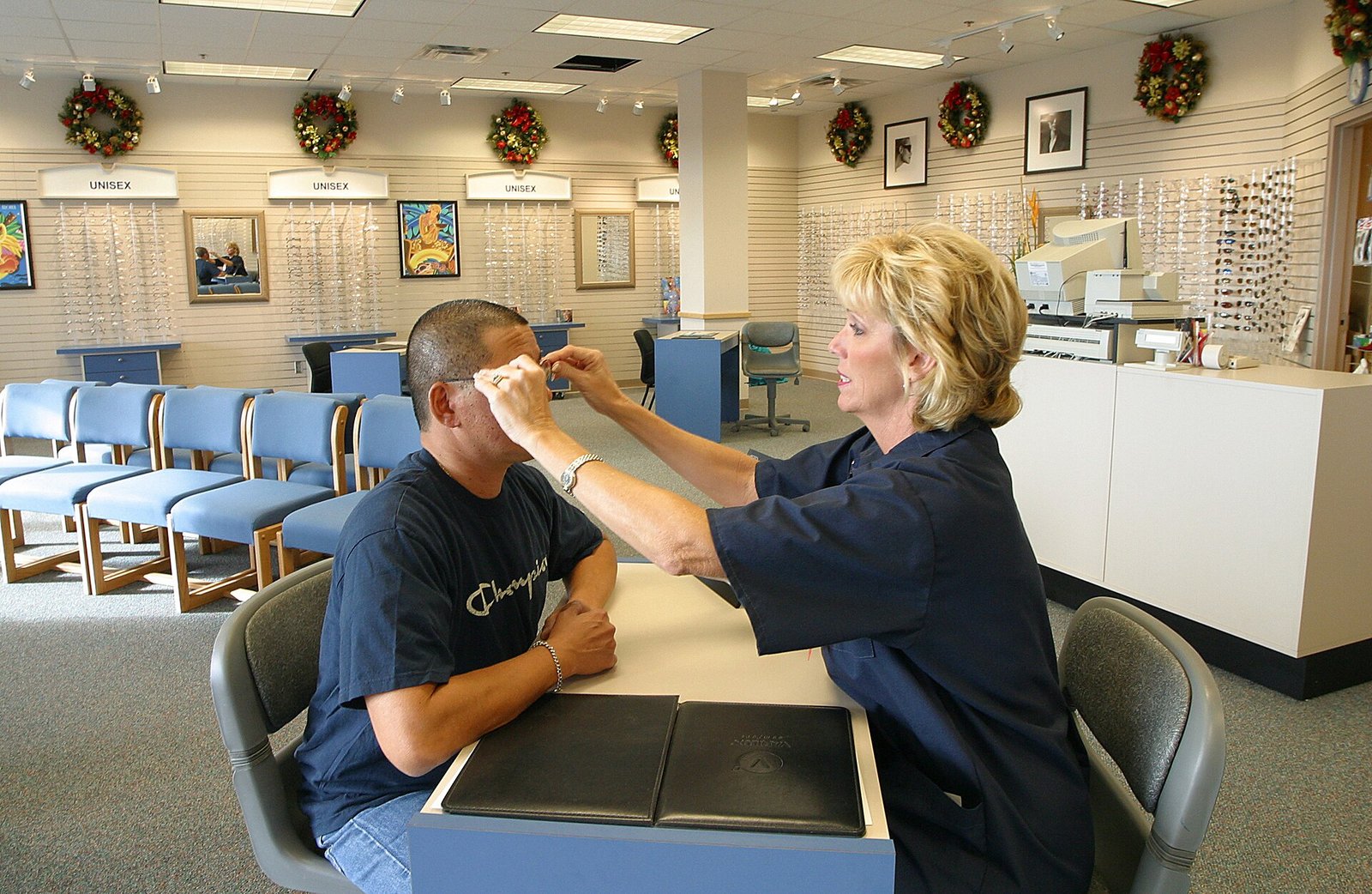
A flattering shape won’t matter if the frame presses on your nose or behind your ears after an hour. If glasses cause headaches or discomfort, stop wearing them and ask an optometrist or optician to check the fit and your prescription.
FAQ
What glasses suit a round face?
Following the contrast rule eyewear brands use, angular frames like rectangles or a Wayfarer-type shape balance a round face.
What if I’m between two face shapes?
Most people are. Pick the feature you want to balance (a strong jaw, a wide forehead) and choose a frame that contrasts with it. Then let size and comfort decide.
Do smart glasses come in different sizes?
Some styles do. Check the size options on the specific product page, and compare the lens, bridge and temple numbers with a pair you already wear.
Do the same face-shape rules apply to smart glasses?
Yes for shape. But smart-glasses temples are often thicker because of the electronics, so check side-profile photos and comfort too.
Where can I try smart glasses on?
Ask local optical or electronics retailers whether they have demo pairs. If you need prescription lenses, our prescription guide covers how ordering works.
Related on EyeComfy
- Ray-Ban Meta vs Oakley Meta
- Best smart glasses for prescription wearers
- Smart glasses for cycling and running
- Smart glasses gift guide
- How we research